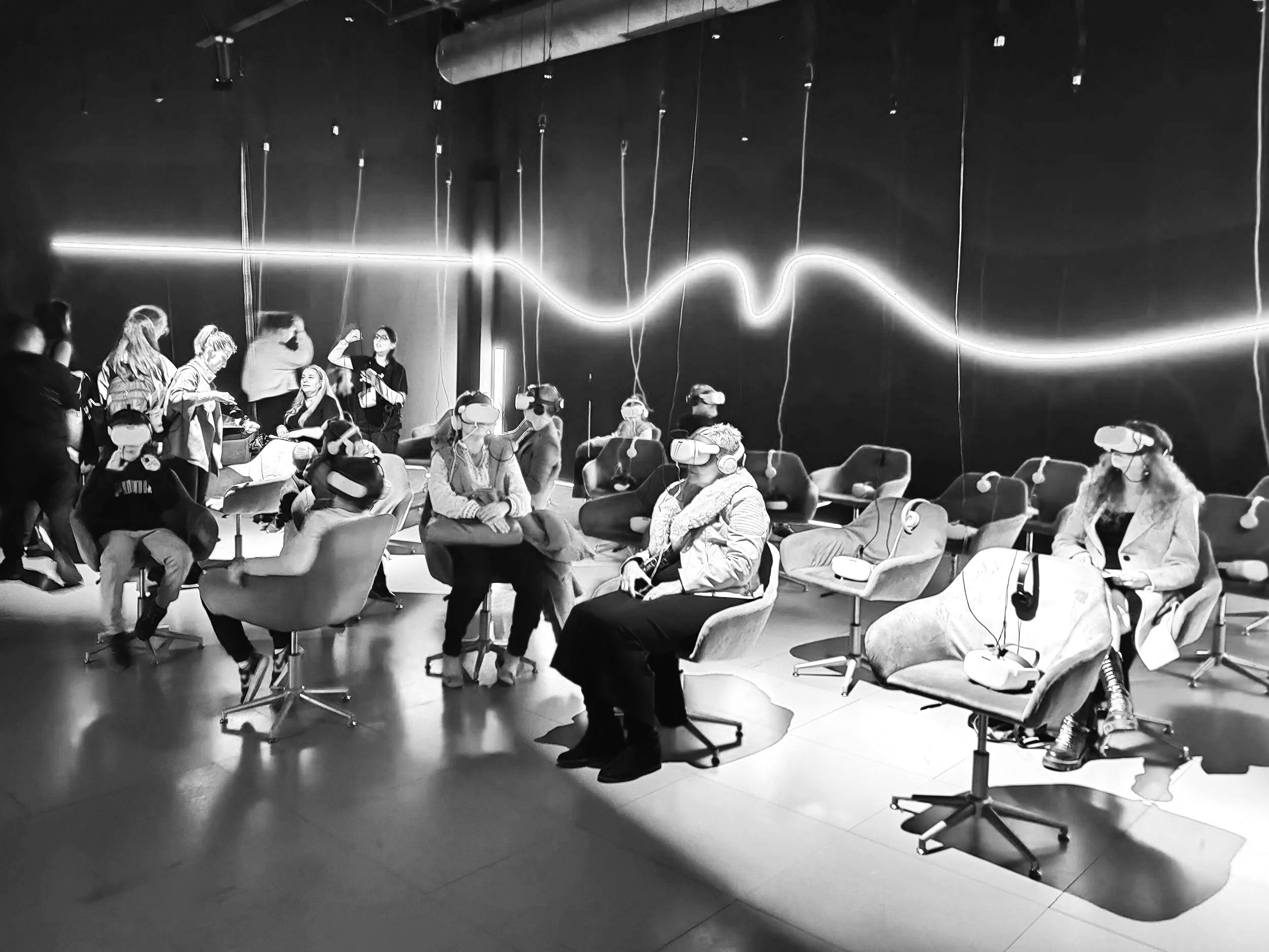
On choosing tools
Every few months, a new tool arrives that promises to change everything. A faster way to design. A smarter way to write. A more efficient way to think. The interface is always clean. The demo is always convincing. The promise is always the same: more output, less effort, less time.
Students notice immediately. So do teams. The question follows quickly.
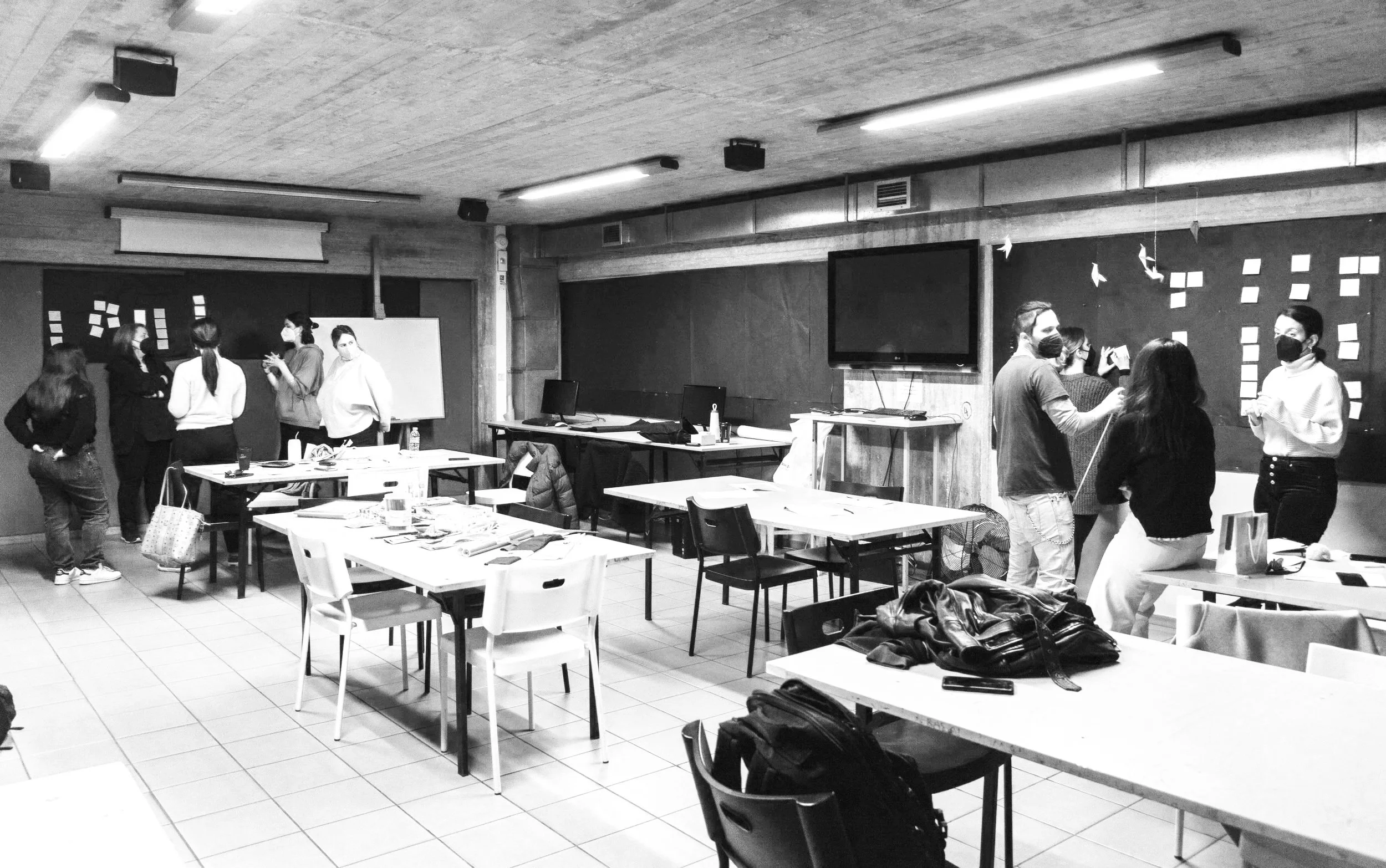
On teaching UX in the age of AI tools
My students ask me a version of the same question every semester now."Should I learn this AI tool or will it be irrelevant in six months?" My answer is always the same: learn the thinking behind the tool. The tool will change. The thinking will not.
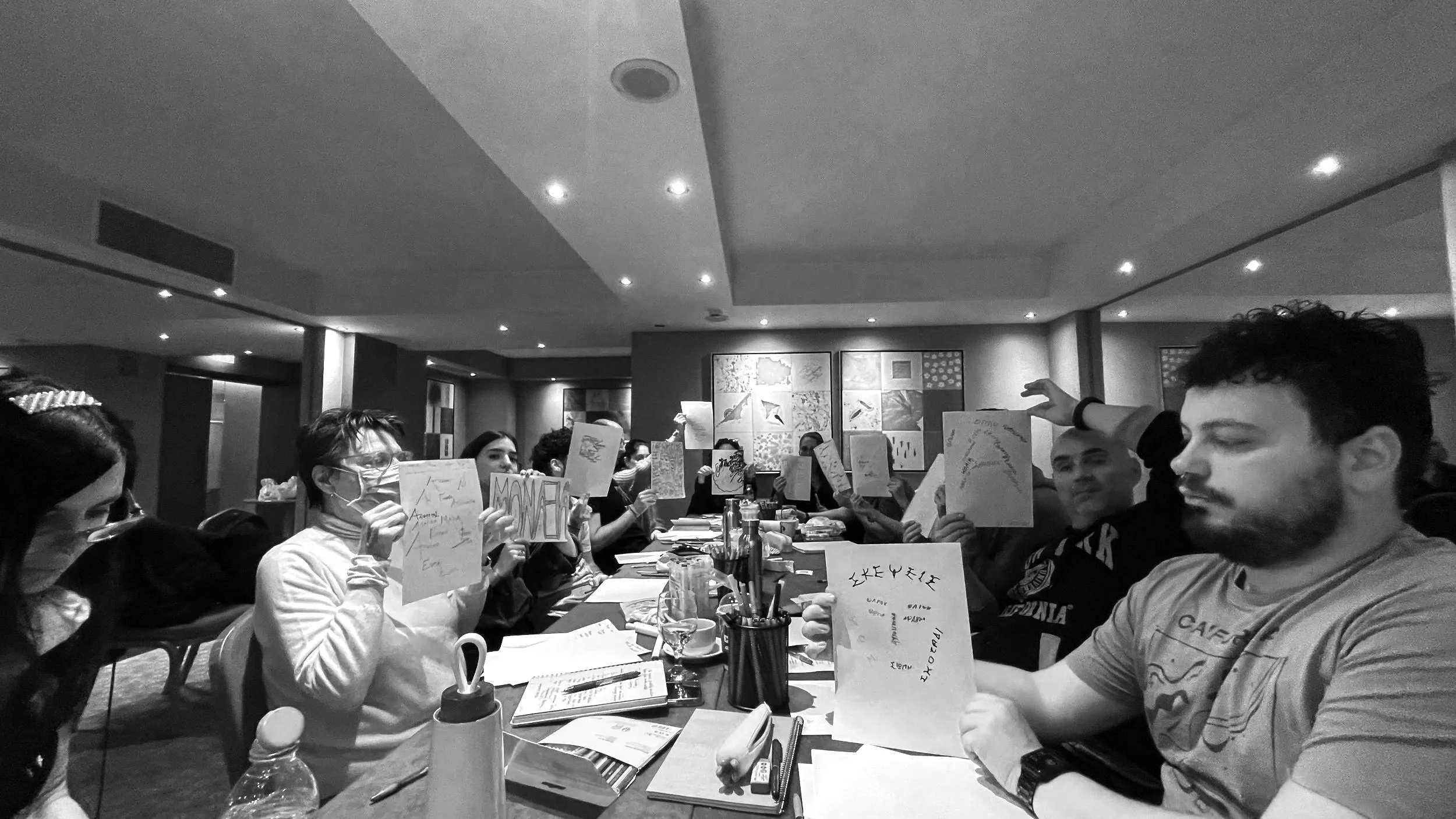
On the work you do not show
Most portfolios tell a story of arrival. The brief. The process. The final outcome. A clean arc from problem to solution, documented with care and presented with confidence. It looks like competence. It is supposed to.
But the work that actually shapes a designer happens largely off the page.
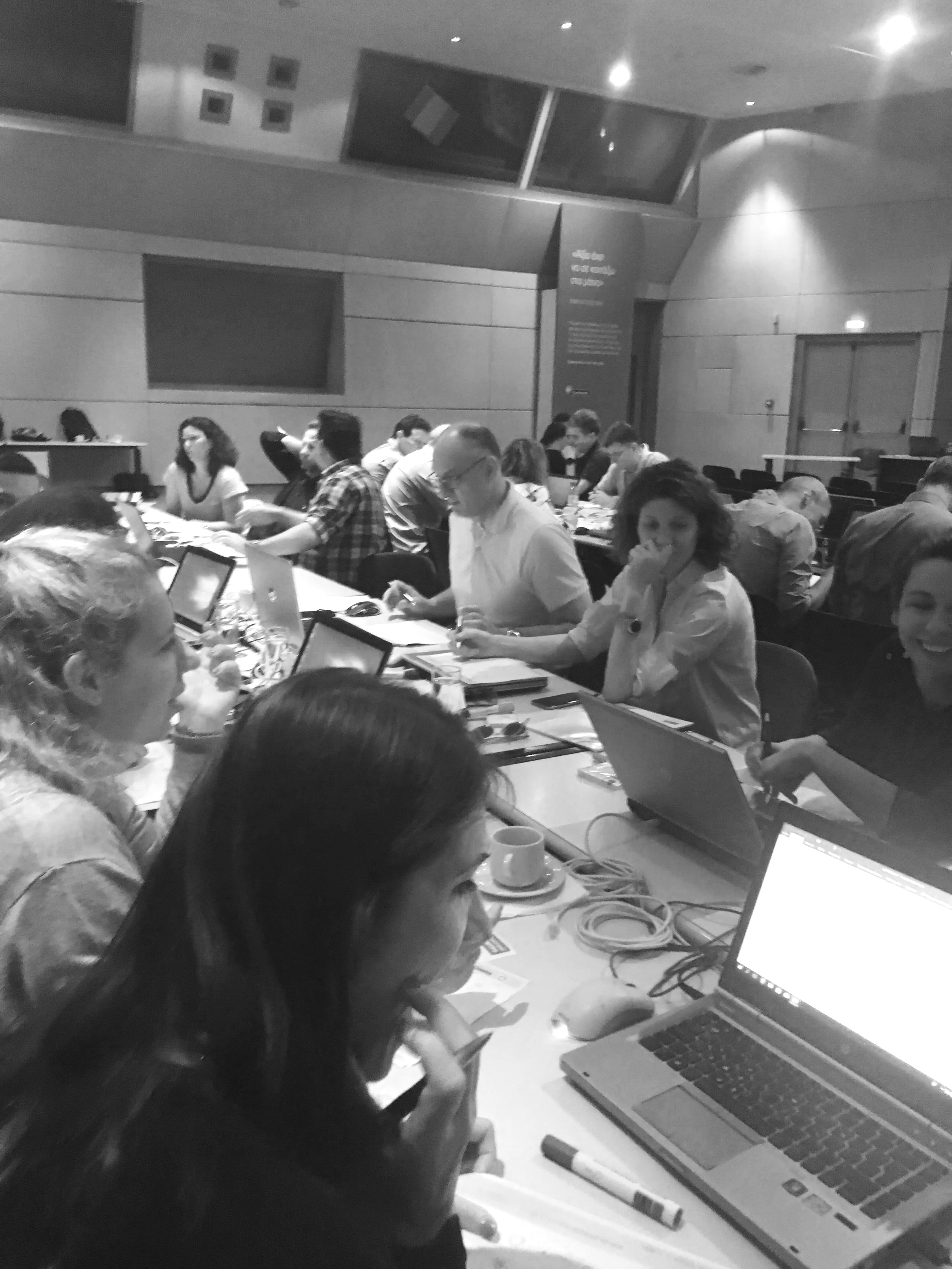
The moment I look for in every leadership workshop
The most resistant person in any workshop I have ever run has never been the most junior person in the room.
It is almost always the most senior position.
This is not because senior leaders are not intelligent. But because they have spent years being the person with answers, a workshop asks them, for a few hours, to be the person with questions. This is a very different posture. For some people, it is genuinely threatening.
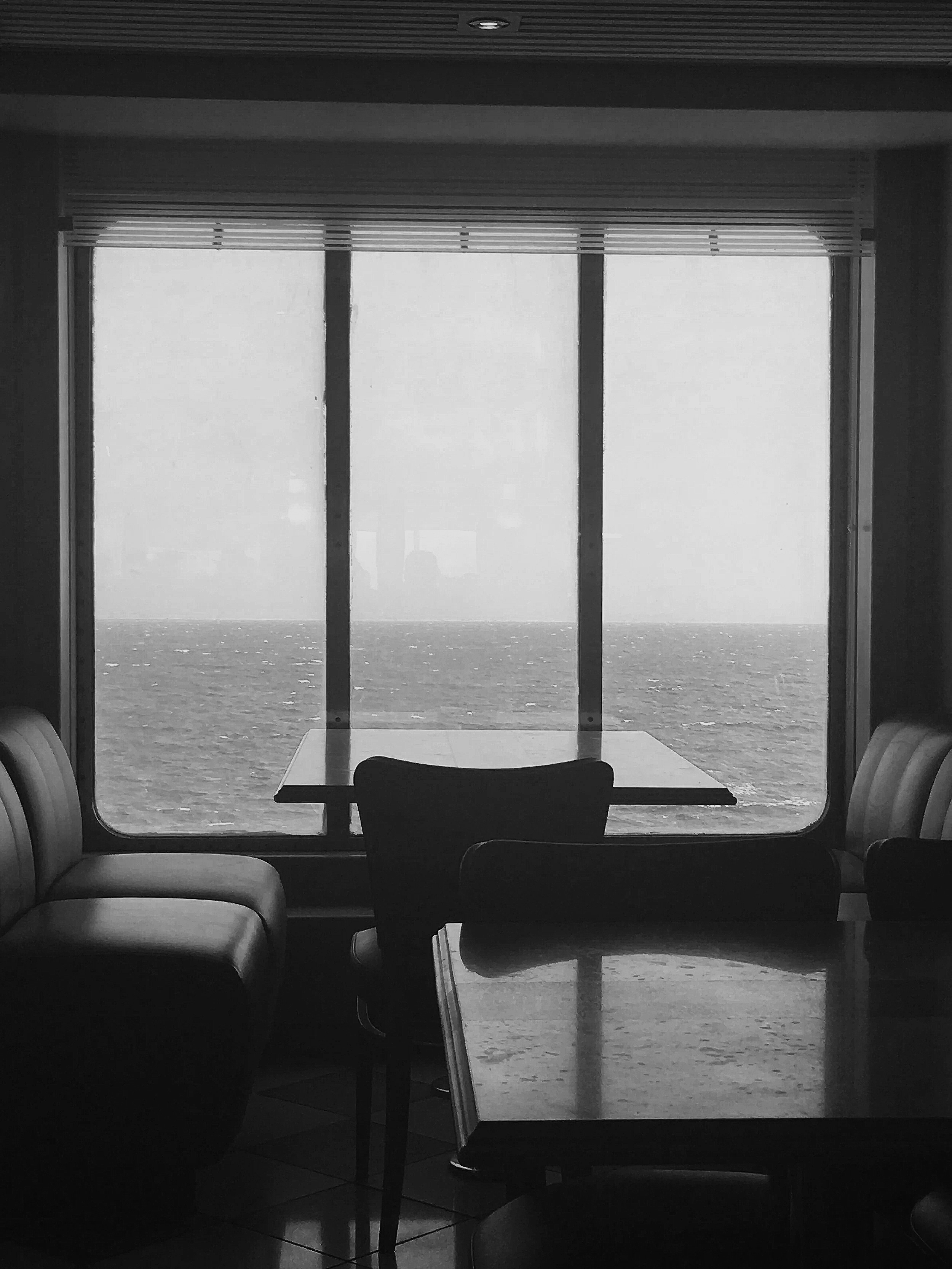
On the summer, finally
There is a specific moment at the end of the academic year that no amount of professional composure can fully conceal.
The last student has submitted. The final grade has been entered. The inbox, which has spent the better part of nine months in a state of low-grade emergency, goes quiet. And somewhere between closing the laptop and opening something cold, a thought arrives with the particular clarity that only exhaustion can produce.
I need to lie down for approximately three weeks. This is not a complaint. It is a medical observation.
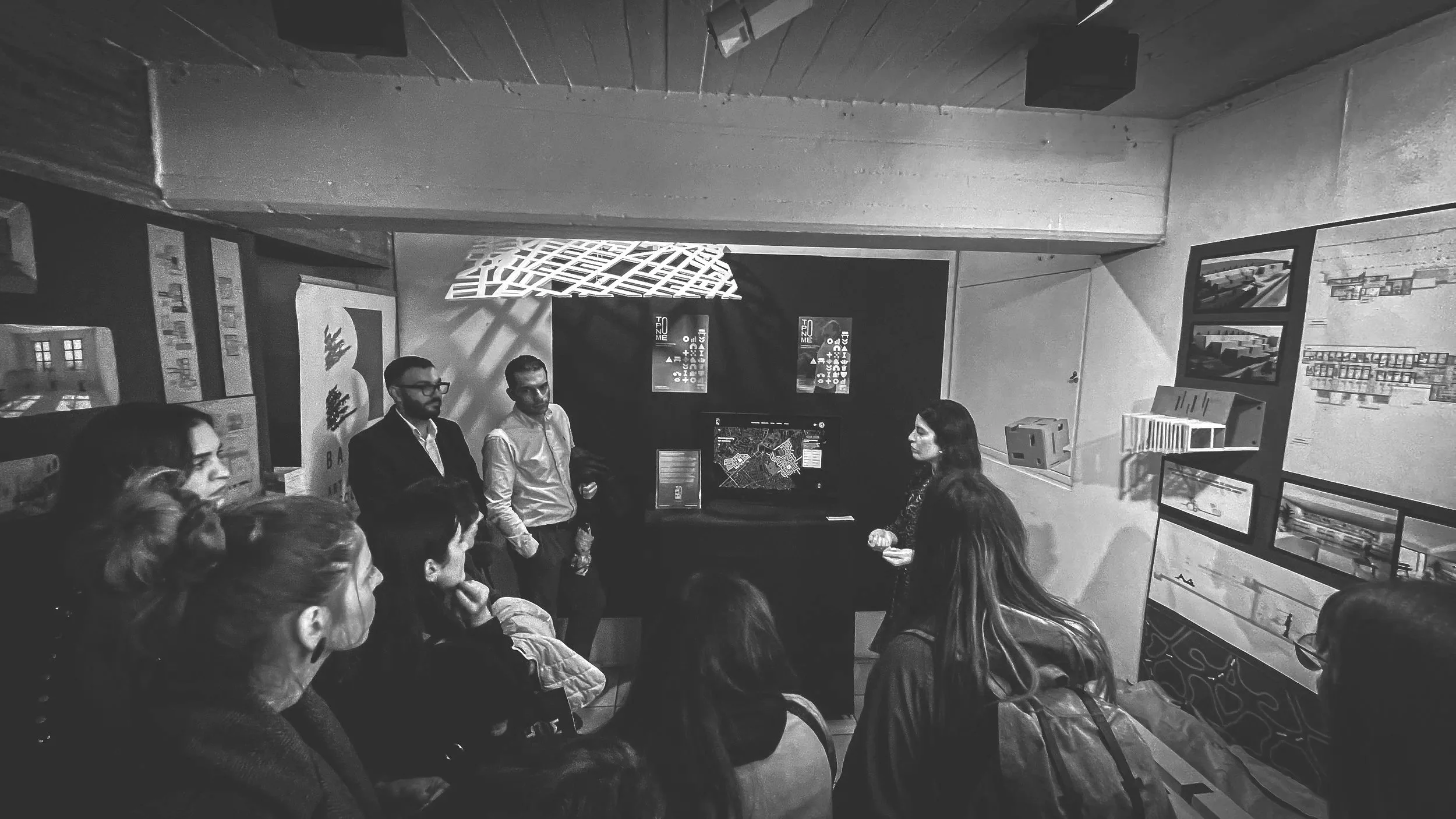
On the year of the thesis
There is a particular kind of professional relationship that has no clear analogue elsewhere in teaching. Not quite mentor and student. Not quite collaborator. Not quite editor, though there is a lot of editing. Not quite therapist, though there are moments, usually around the sixth month, always on a deadline, where the line becomes difficult to locate. Supervising a Master's thesis is its own thing entirely. And a year of it, which is what the Digital Design MA requires, is long enough to watch someone change.