The first lesson I teach every year
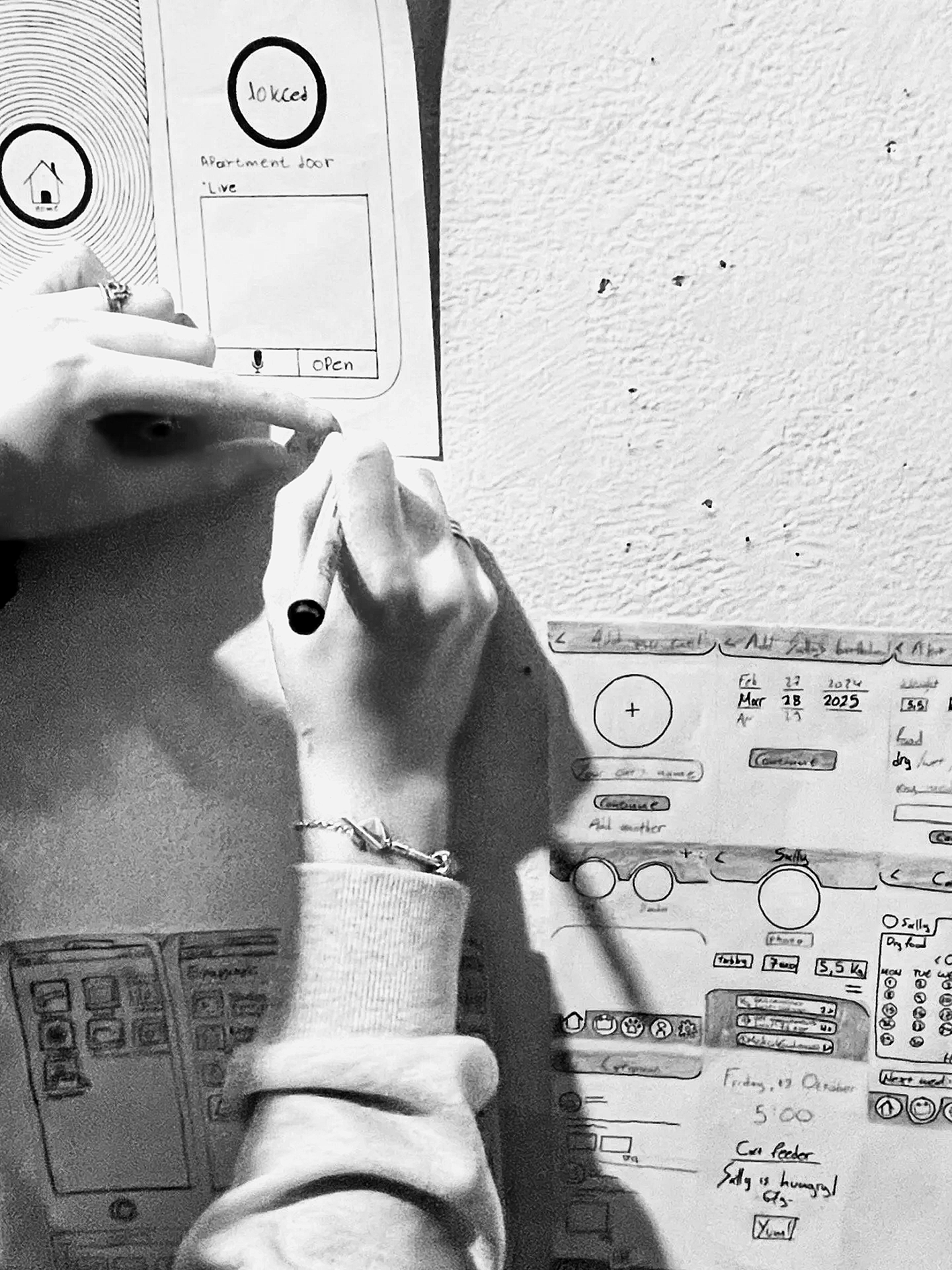
Every year, on the first day of the professional digital design course, I do not open Figma. I do not discuss wireframes. I will not show any slides. In addition, I handed everyone a piece of paper and a pen.
Then, I asked them to draw, from memory, in as much detail as they could, the app or website they used most. The home screen of their phone. Instagram. Their bank app. Google Maps. Whatever lives at the center of their digital day.
On choosing tools
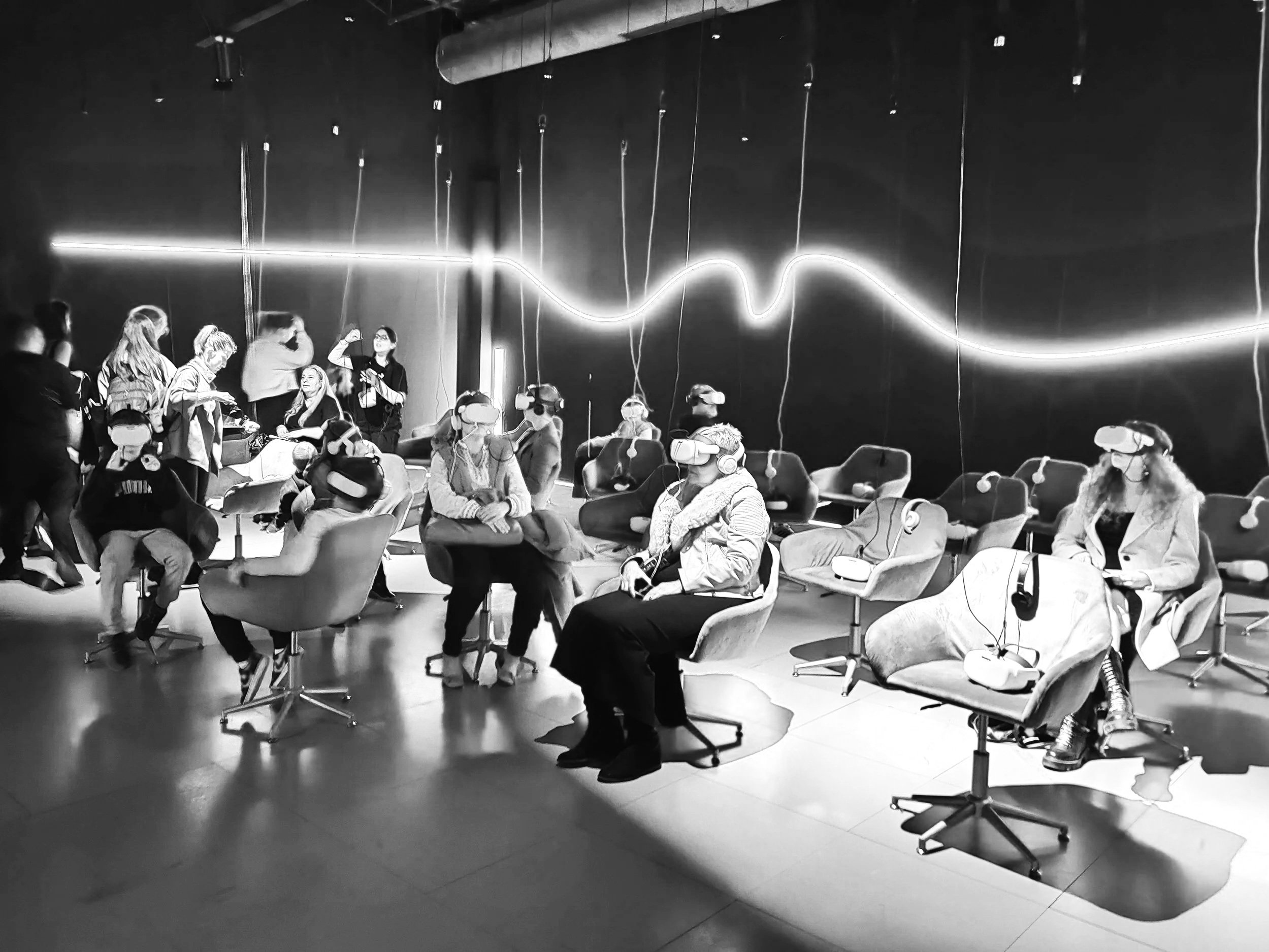
Every few months, a new tool arrives that promises to change everything. A faster way to design. A smarter way to write. A more efficient way to think. The interface is always clean. The demo is always convincing. The promise is always the same: more output, less effort, less time.
Students notice immediately. So do teams. The question follows quickly.
On the work you do not show
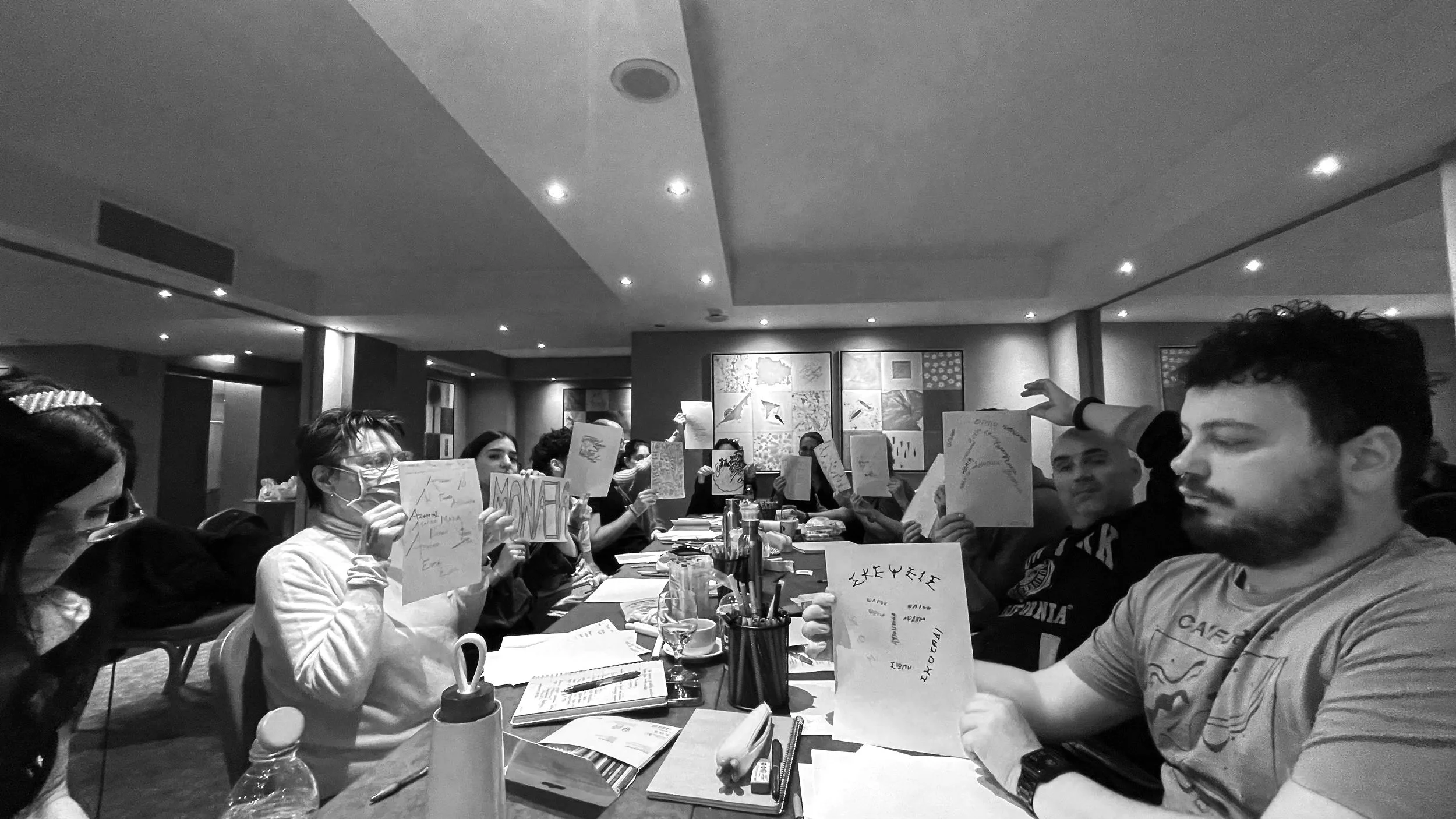
Most portfolios tell a story of arrival. The brief. The process. The final outcome. A clean arc from problem to solution, documented with care and presented with confidence. It looks like competence. It is supposed to.
But the work that actually shapes a designer happens largely off the page.
On the year of the thesis
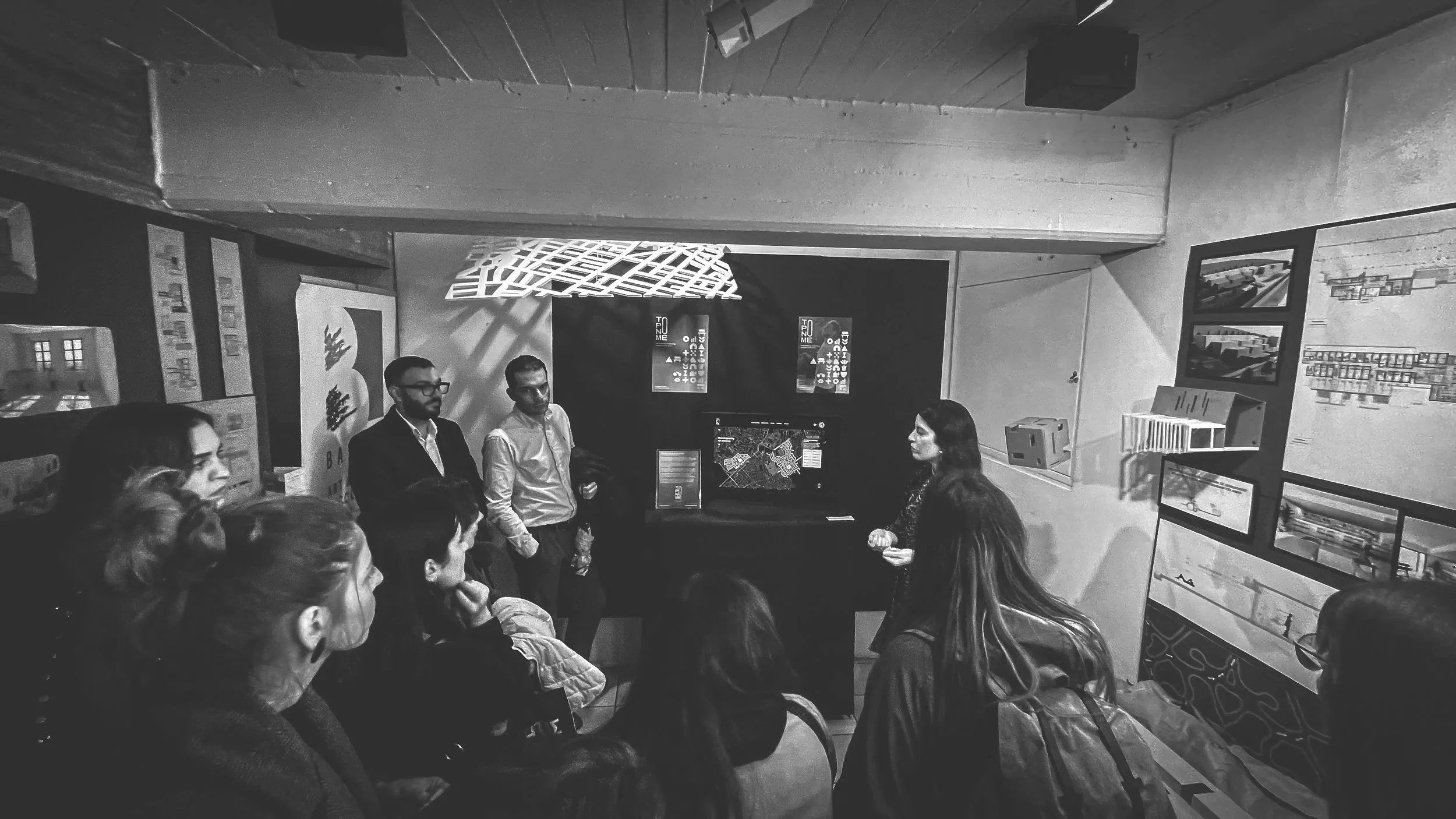
There is a particular kind of professional relationship that has no clear analogue elsewhere in teaching. Not quite mentor and student. Not quite collaborator. Not quite editor, though there is a lot of editing. Not quite therapist, though there are moments, usually around the sixth month, always on a deadline, where the line becomes difficult to locate. Supervising a Master's thesis is its own thing entirely. And a year of it, which is what the Digital Design MA requires, is long enough to watch someone change.
First Draft, Pun Intended
I have been meaning to start this blog for approximately ten years. In that time, I have designed websites for other people, taught hundreds of students how to communicate ideas clearly and with intention, facilitated workshops specifically about the value of getting things out of your head and into the world and somehow, simultaneously, found every possible reason not to do this particular thing myself.