The first lesson I teach every year
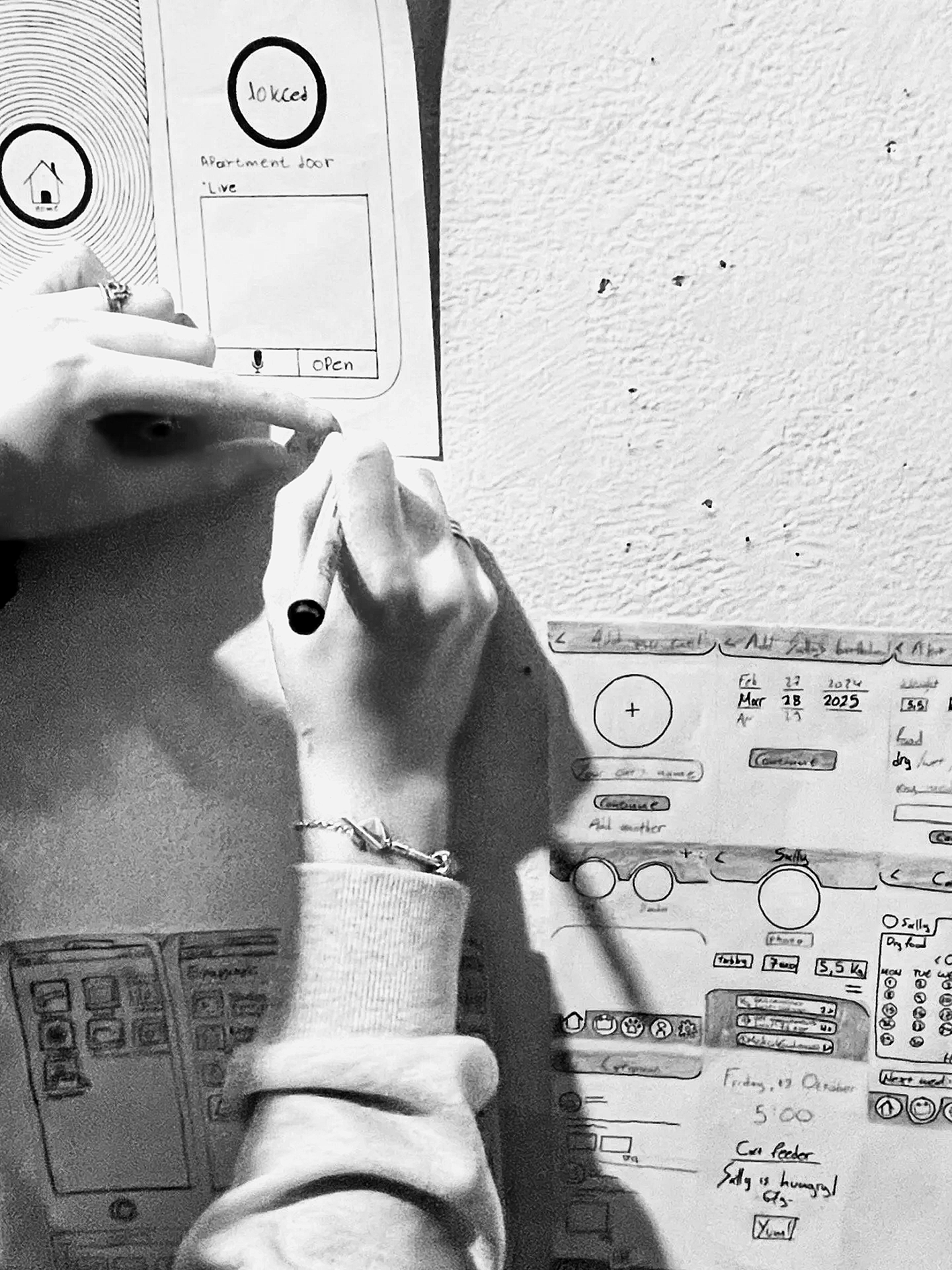
Every year, on the first day of the professional digital design course, I do not open Figma. I do not discuss wireframes. I will not show any slides. In addition, I handed everyone a piece of paper and a pen.
Then, I asked them to draw, from memory, in as much detail as they could, the app or website they used most. The home screen of their phone. Instagram. Their bank app. Google Maps. Whatever lives at the center of their digital day.

The MVP mindset
The most challenging aspect of my teaching is not design. It is letting go. However, the hardest room to teach is not a classroom. It is a boardroom. In the Digital Product Design workshop I facilitate, there is always a moment, usually around hour three, when someone realizes that their favorite feature is not essential. That is nice. Users might enjoy this. But that, without it, the product still works.
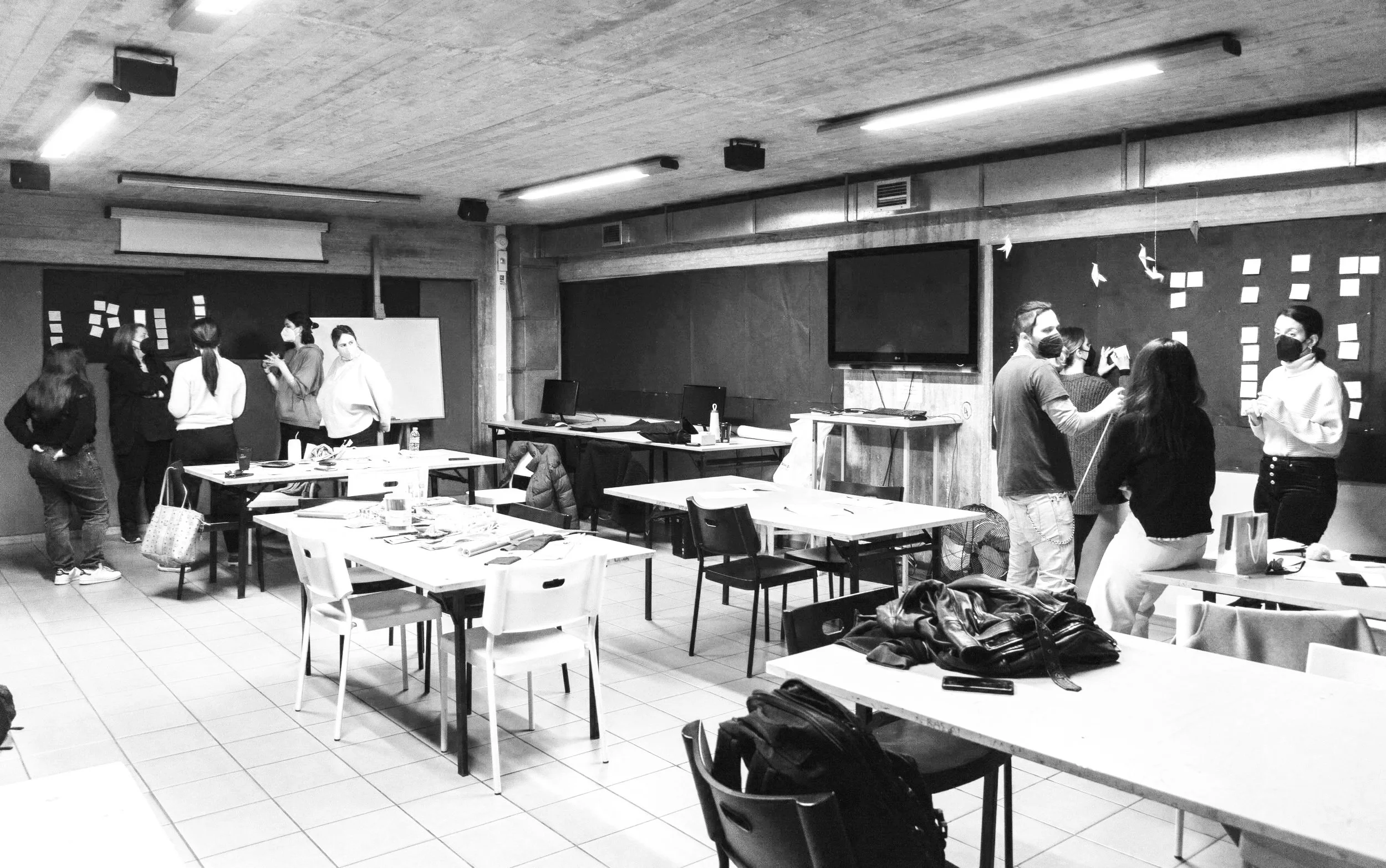
On teaching UX in the age of AI tools
My students ask me a version of the same question every semester now."Should I learn this AI tool or will it be irrelevant in six months?" My answer is always the same: learn the thinking behind the tool. The tool will change. The thinking will not.
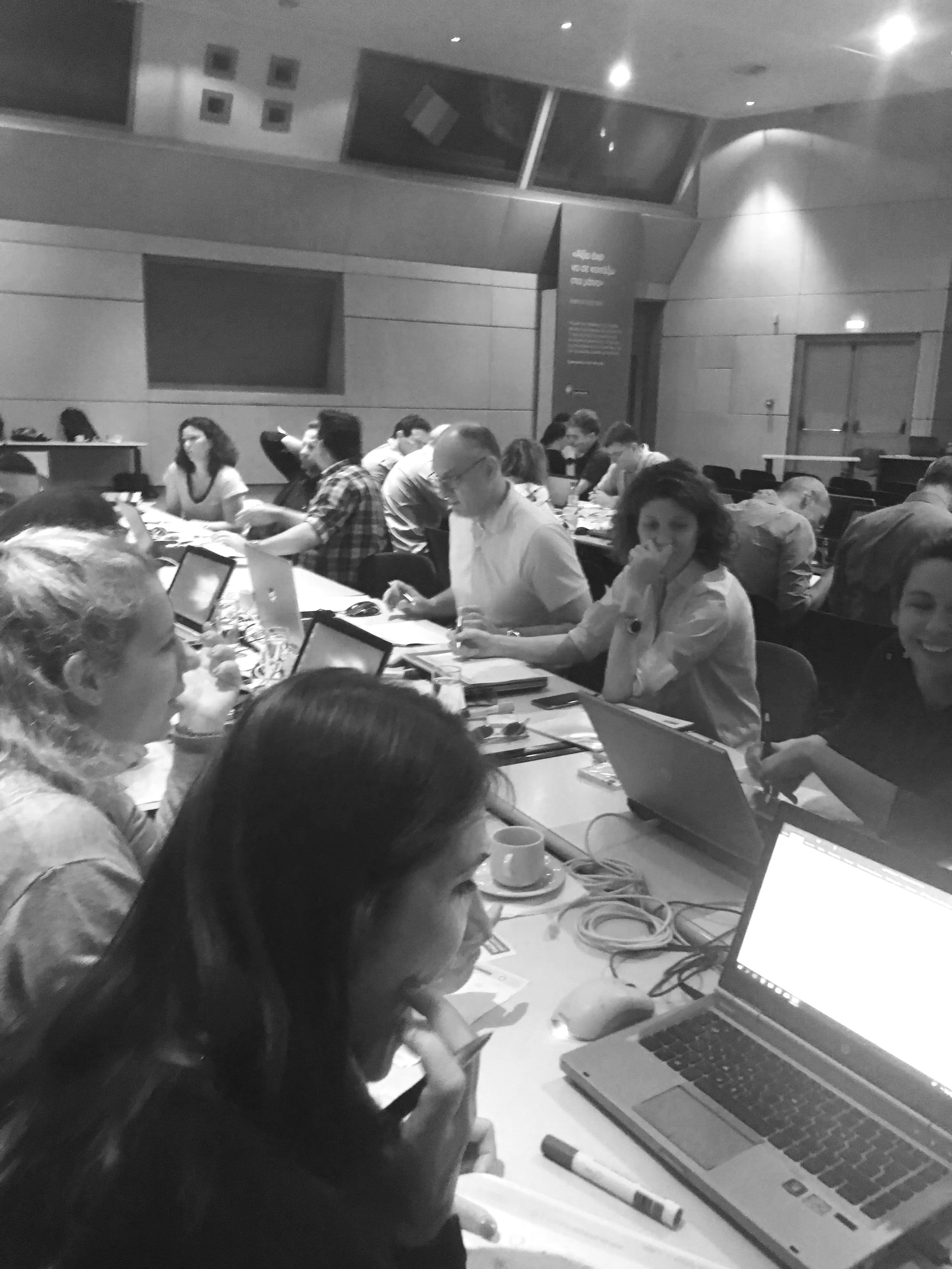
The moment I look for in every leadership workshop
The most resistant person in any workshop I have ever run has never been the most junior person in the room.
It is almost always the most senior position.
This is not because senior leaders are not intelligent. But because they have spent years being the person with answers, a workshop asks them, for a few hours, to be the person with questions. This is a very different posture. For some people, it is genuinely threatening.
On the year of the thesis
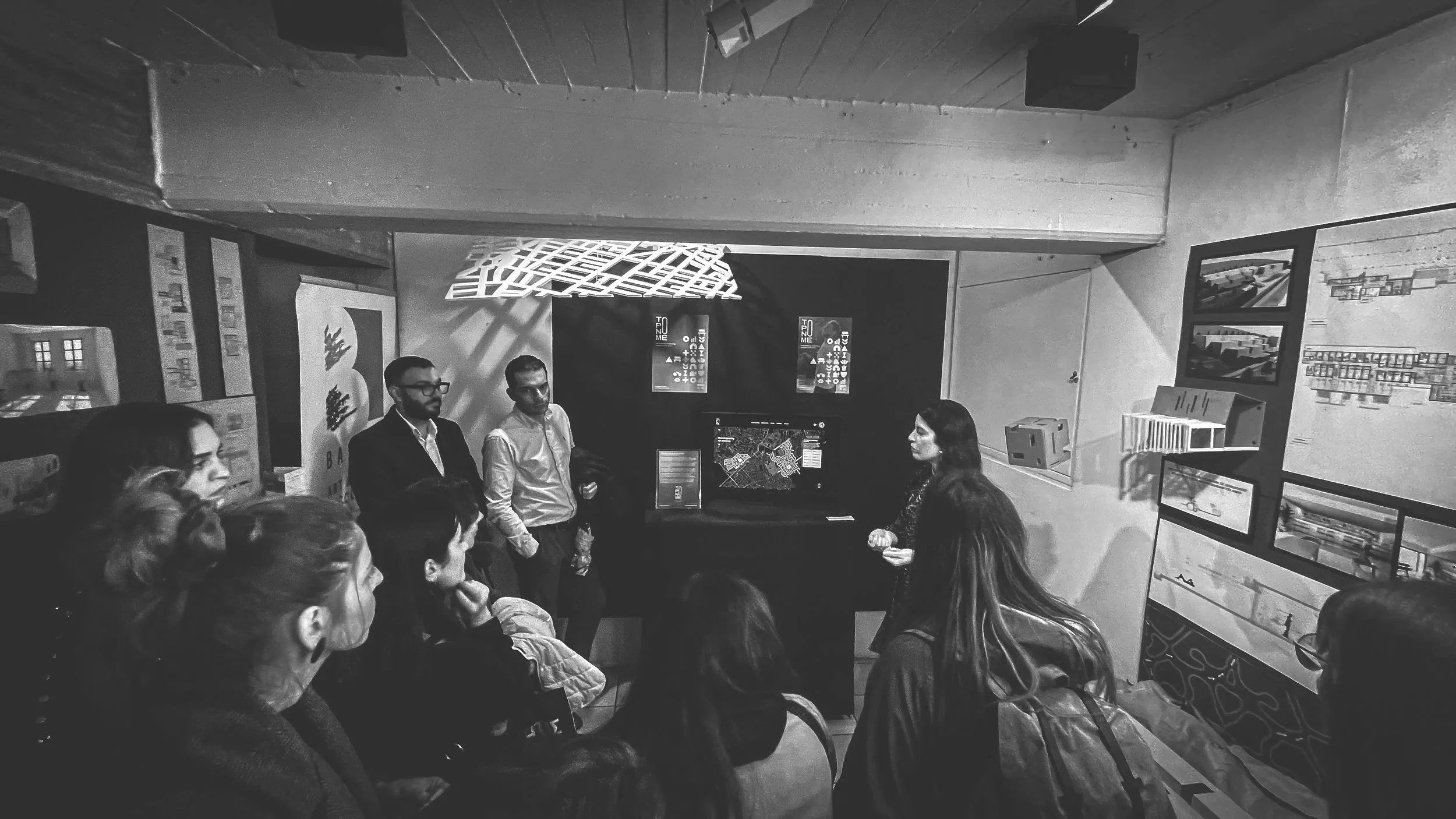
There is a particular kind of professional relationship that has no clear analogue elsewhere in teaching. Not quite mentor and student. Not quite collaborator. Not quite editor, though there is a lot of editing. Not quite therapist, though there are moments, usually around the sixth month, always on a deadline, where the line becomes difficult to locate. Supervising a Master's thesis is its own thing entirely. And a year of it, which is what the Digital Design MA requires, is long enough to watch someone change.